Gate and carrier check-in
Drivers need quick, documented check-in that matches appointment and shipping procedures. Slow or inconsistent gates back traffic onto public roads.
Distribution operations live on timing: carriers arriving, trailers staged, docks turning. F360 Guards proposes site-specific security planning for gates, yards and loading areas that supports dispatch rather than slowing it.
All services described on this page are proposed. Scope, availability, licensing and operational readiness are confirmed during review.
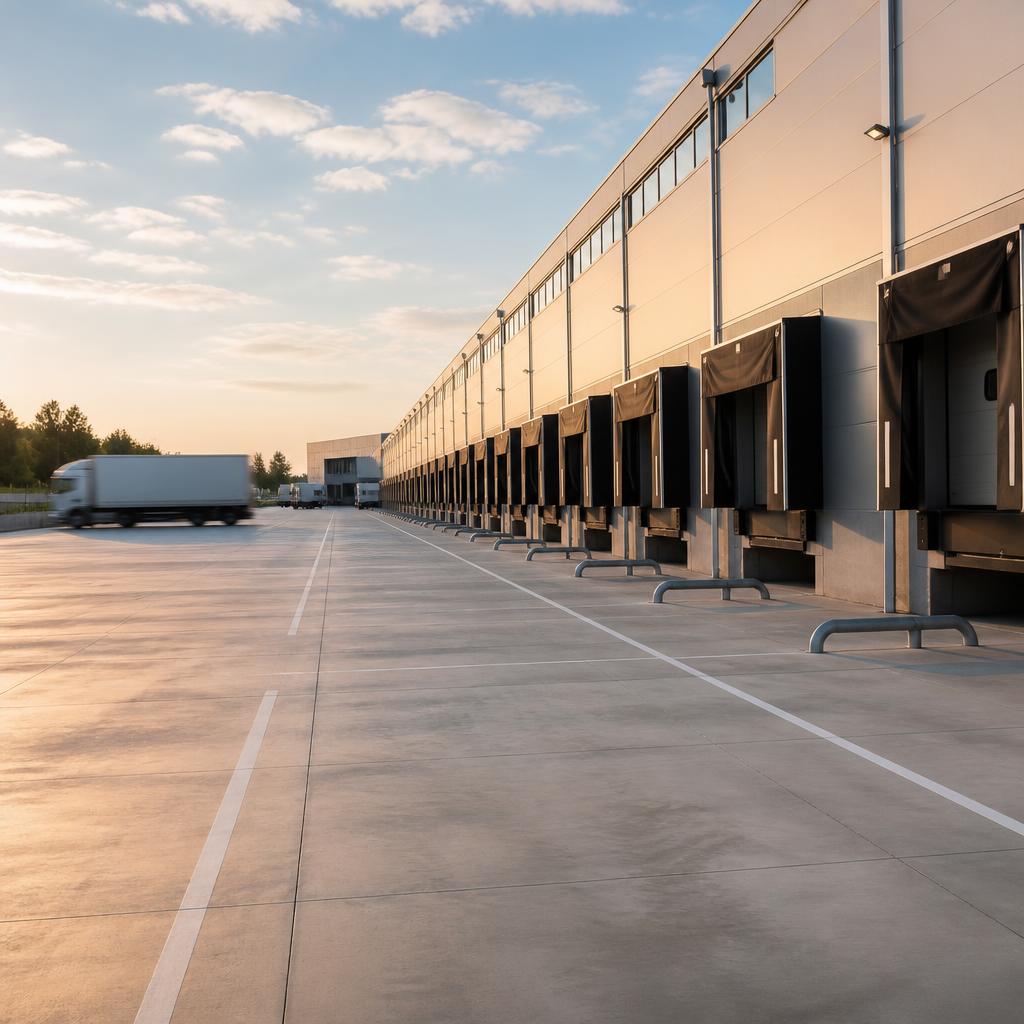
Warehouses and distribution centers combine heavy vehicle activity, tight appointment windows, large yards and long operating hours. Planning starts with how a trailer actually moves from the gate to the dock and back.
Drivers need quick, documented check-in that matches appointment and shipping procedures. Slow or inconsistent gates back traffic onto public roads.
Large yards hold staged, loaded and empty trailers. Yard presence and documented checks should follow your yard management procedures.
Dispatchers, yard teams and gate staff must share information about arrivals. Officers can support communication but do not run dispatch.
Dock areas are busy and safety-sensitive. Officers can support controlled access and observations, subject to site rules.
Reduced staffing leaves fences, yards and docks quiet. Patrol timing and reporting expectations need to be defined.
Third-party drivers, temp staff and vendors need clear rules on where they may go and what they must show.
Logistics buyers measure security partly by what it does not do: it should not create detention time at the gate or confusion in the yard. A well-written scope specifies gate procedures, yard checks, after-hours patrol, reporting and the boundaries of the officer role, so that service levels can be reviewed alongside operational metrics.
F360 Guards proposes to build that scope with your site and network leadership. Officers would support your procedures; they would not take custody of inventory, direct freight, or perform licensed traffic control. Licensing, training, staffing and reporting systems would be verified before any commitment.
These are the kinds of support that may suit a warehouse or distribution property. Each is proposed for discussion and requires scope, licensing and operational confirmation.
A staffed gate that supports your driver and carrier check-in procedures and records arrivals as your site requires.
Documented yard checks following your yard procedures, with observations reported to site leadership.
A clear communication path between the gate, yard team and dispatch for arrivals and exceptions.
Officers following site rules on dock access and visitors, without handling freight.
Patrol timing and routes for fences, yards and docks, documented for site management.
Structured reports and periodic reviews to refine gate and yard procedures.
Officers do not take custody of inventory, direct freight or perform licensed traffic control. Requested schedules are reviewed individually. No round-the-clock coverage is promised, and armed assignments are never assumed; any such discussion is subject to applicable licensing, client policy and operational confirmation.
A written division of responsibility keeps gate, yard and dispatch teams aligned.
Your site owns its emergency and incident procedures. The proposed plan would document who is notified, in what order and how a written record is shared afterward. No operational detail is published here.
Share your gates, yard and operating hours. A proposal request starts the conversation and does not commit either side.
This scenario is illustrative and was written for planning discussion. It does not describe an existing F360 Guards client, a completed project or a result. Goals below are prospective.
A hypothetical regional distribution center with one carrier gate, a separate employee entrance, a fenced trailer yard, a dock area with many doors and extended operating hours.
This is the intended service delivery model. It describes how F360 Guards proposes to work, not a set of current guarantees.
A walk-through with operations, dispatch and facilities to understand gates, yards, docks and operating hours.
A written proposal setting posts, hours, reporting lines and boundaries for site approval.
Officers briefed on your procedures and site safety rules before they begin, with training standards confirmed in scope review.
Regular reviews with site leadership to examine reports and adjust coverage as volume changes.
Intended service delivery model. Not a statement of current capabilities.
Every item below is proposed. Availability, features and timing will be verified and confirmed before any operational commitment is made.
Proposed structured reports for gate exceptions, yard observations and incidents, delivered to named contacts.
Proposed location-verified check-in and check-out for gate, yard and patrol posts.
Proposed documented yard and perimeter patrol activity with timestamps.
Proposed written instructions for gate, yard and dock posts, reviewed with site leadership.
Proposed supervisory review of coverage across shifts with a named contact.
Proposed periodic summaries for site, regional and procurement leaders.
Proposed shared standards for networks of warehouses and distribution sites.
Proposed capabilities. Availability will be verified before any public or contractual operational commitment. See all proposed technology
Officers may support your check-in procedures and document arrivals as the site requires. They do not direct freight or replace dispatch.
No. Officers do not take custody of inventory. They observe and report according to site procedures.
No licensed traffic control is claimed. Officers may support documented check-in and observation within site rules.
After-hours coverage may be proposed. Schedules and availability are confirmed for each request, and no round-the-clock coverage is promised.
A shared framework with site-specific post orders may be proposed for networks of sites. Multi-site capability is confirmed during scope review.
Your request is stored for review. Scope, availability and next steps need confirmation by the business. Email notification is not configured yet, so for time-sensitive needs please also call 888-360-5666.